
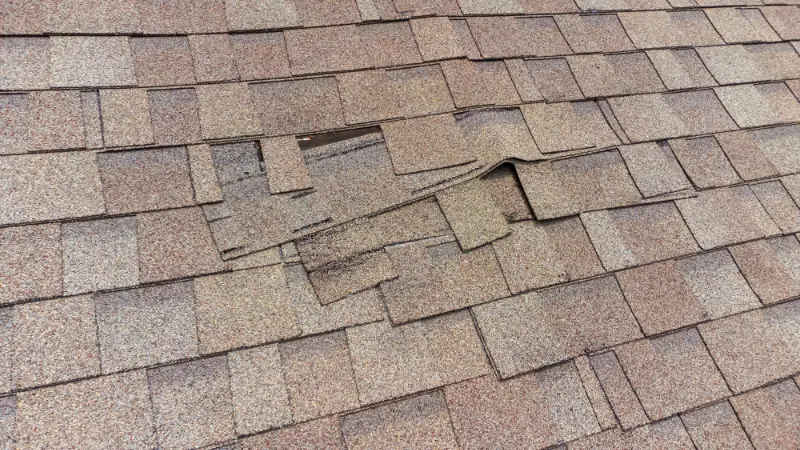
Filing a homeowner's insurance claim for hail or wind damage in northern Illinois is not complicated — but it has a sequence, and getting that sequence wrong costs homeowners money. When should you file? What happens if the adjuster's estimate comes back too low? This guide walks through every step, in order, with the specific details that matter for Illinois homeowners in 2026.
We've prepared documentation and walked roofs alongside insurance adjusters for hundreds of northern Illinois homeowners as part of our storm damage repair services. Everything below reflects how the process actually works on the ground — not how it looks in a brochure. If you'd rather skip the reading and have us inspect your roof first, you can request a free storm damage inspection directly.
Illinois doesn't set one universal deadline for storm damage claims — your policy does. Most policies require prompt notice of a loss, and many set a one- or two-year limit from the date of the storm. Check your policy's "Duties After Loss" section and don't wait. The sooner you act after a storm event, the cleaner your documentation will be — and the harder it becomes for an insurer to argue the damage was "pre-existing wear."
Step 1: Document Everything Before You Touch Anything
Before you call your insurance company, before you climb a ladder, before you do any cleanup at all — document the damage. This is the single most important step in the entire process and it costs you nothing but time.
Walk the perimeter of your home and take wide-angle photos of every elevation. Then move closer for detail shots: any visible roof damage from ground level, dented gutters and downspouts, cracked or split siding panels, damaged window screens, dents on metal flashing or vent caps, damaged air conditioning condenser fins, and any storm-thrown debris on your property. Place a coin or measuring tape next to noticeable dents to establish scale.
Don't forget the inside of the house. Photograph any new ceiling stains, water spots on walls, attic moisture, or anything that wasn't there before the storm. Storm damage isn't always visible from the outside, and interior signs are often what drives an adjuster to approve a full replacement.
Save the date and time the storm occurred. NOAA Storm Events Database and HailTrace both maintain official records of hail size, wind speed, and storm path that can support your claim. We pull this data as part of our inspection report — it's powerful evidence when an adjuster questions whether a storm event actually occurred at your address.
Don't get on the roof yourself
This is worth saying directly. Wet shingles are slippery, hail-damaged shingles can be unstable, and a slip-and-fall can cost you more than the entire claim. Document everything you can see safely from the ground and let a professional handle the roof-level inspection.
Step 2: Get an Independent Inspection Before Calling Your Insurer
This is the step most homeowners get wrong, and it costs them thousands of dollars. The conventional advice is to call your insurance company first. We recommend the opposite: get a professional contractor inspection first, and call your insurance company second.
Here's why. The moment you call your insurance company and ask them to "send someone out to look at the roof," you've filed a claim — even if no payment is ever issued. That claim stays on your insurance record permanently. If the adjuster decides your damage doesn't meet their threshold or classifies it as "pre-existing wear," you've now got a denied claim on your record with no benefit. That denied claim can affect your premiums and your ability to switch carriers later.
An independent contractor inspection avoids this trap. We walk the entire roof, perform test-square impact assessments, photograph every hit, document granule loss, check flashing and vents, and produce a written report that tells you exactly whether you have a claim worth filing — before you make any calls. Our inspections are free and there's no obligation to hire us afterward.
A thorough storm damage inspection is more than a quick look from the driveway. It should include:
- Test-square impact analysis on each roof slope
- Photographs of every documented hit, with location reference
- Granule loss assessment and gutter examination
- Flashing, vent, and pipe boot inspection
- Soft metal damage check (vents, caps, attic vents)
- Siding, window, and gutter damage documentation
- Written report referencing the storm date and source data
Step 3: Understand Your Policy Type Before You File
Not all homeowner policies pay the same way for roof damage. The two main categories — and there's a critical third one many homeowners don't know about — determine how much money you'll actually receive.
Replacement Cost Value (RCV)
An RCV policy pays the full cost to replace your roof with new, comparable materials at today's prices, minus your deductible. The insurer typically issues an initial Actual Cash Value payment first, then releases the depreciation holdback once repairs are completed and documented. RCV is what you want — it's the better policy and what most modern homeowners insurance includes by default.
Actual Cash Value (ACV)
An ACV policy pays the depreciated value of your roof at the time of loss. A 15-year-old roof has lost a significant portion of its useful life, so an ACV settlement on that roof will be a fraction of what a new roof actually costs. Many Illinois insurers automatically convert roofs older than 10–15 years to ACV coverage.
Roof Payment Schedules (RPS)
This is the one homeowners rarely catch. Some insurers attach a Roof Payment Schedule as an endorsement to RCV policies, effectively converting them to ACV based on roof age. A 15-year-old roof under an RPS endorsement might pay only 30% of replacement cost — even though your policy says "Replacement Cost Value" on the front. Read your policy declarations page and ask your agent directly whether your roof has an RPS attached.
Real Numbers: How Much You Actually Receive
Let's say two neighbors in Loves Park have identical homes and both suffer the same hail damage. Total replacement cost: $18,000. Both have $1,500 deductibles.
Same damage, same home, same storm. The policy type made a $9,000 difference. This is why understanding your policy before a storm hits is so important.
Wind and Hail Deductibles
Many Illinois insurers in 2026 have replaced flat dollar deductibles with percentage-based wind and hail deductibles — often 1% to 2% of your home's insured value. On a $300,000 home with a 2% wind/hail deductible, that's $6,000 out of pocket before insurance contributes a single dollar to your claim. Check your policy for "windstorm deductible" or "named peril deductible" language.
Step 4: File the Claim
Once you have your contractor inspection report in hand and you understand your policy type, it's time to file. You can typically do this online through your insurer's website or app, or by phone. You'll need:
- Your homeowner policy number
- The date and time of the storm event
- A description of the damage (your contractor's report covers this)
- Photos and any video documentation
- Your contractor's contact information so the adjuster can coordinate the on-site inspection
You'll receive a claim number and the name of the adjuster assigned to your case. Write both down — you'll reference them in every conversation going forward.
Step 5: The Adjuster Inspection — and Why You Want Your Contractor There
The insurance adjuster will schedule a visit to inspect your home and determine the scope of loss. This is the single most consequential meeting in the entire claim process, and you should not be alone for it.
Adjusters work for the insurance company. Their job is to inspect, document, and produce an estimate that the insurer will pay. A skilled adjuster doing their job in good faith will identify legitimate damage. But adjusters are human, they're often working multiple claims a day after a major storm, and what they document on the first visit is often what gets paid — even if it misses things.
Common items missed in initial adjuster inspections include:
- Ridge cap shingle replacement on the entire roof, not just damaged sections
- Ice and water shield underlayment required by current Illinois building codes for replacement work
- Drip edge at eaves and rakes
- Pipe boot and vent flashing replacement when the roof is being replaced
- Starter strip shingles at all eaves
- Step flashing at wall-to-roof transitions
- Gutter, soffit, and fascia damage when the focus is on the roof
- Detached garage or outbuilding damage
- Overhead and profit for the general contractor coordinating multiple trades
When we attend an adjuster meeting as part of our storm damage repair process, we walk the roof together, point out each documented hit, explain hail impact patterns versus wear-and-tear patterns, identify code-required upgrades, and ensure secondary damage gets included in the scope. Homeowners who meet adjusters alone routinely receive scopes that miss thousands of dollars in legitimate work.
Step 6: Review the Estimate (Explanation of Benefits)
After the inspection, you'll receive an Explanation of Benefits (EOB) — sometimes called the scope of loss or insurance estimate. This document lists every line item the insurance company has approved for payment, along with their pricing for materials and labor.
Compare this EOB carefully against your contractor's estimate. Initial offers on Illinois hail damage claims are typically 30% to 50% below the actual cost of proper, code-compliant repairs. The gap is rarely because the adjuster acted in bad faith — it's usually because their software pricing is dated, code requirements were missed, or specific damage items weren't documented during the inspection.
If your contractor's estimate is broader than the insurance EOB, the difference becomes the basis for a supplemental claim.
Step 7: File a Supplement If the Estimate Falls Short
A supplement is a formal request for additional funds, supported by detailed documentation. It is not an argument or a confrontation — it's a standard part of the claim process. Insurers expect supplements on storm damage claims and most carriers process them routinely.
The supplement document should include:
- The specific line items missing from the insurance scope
- Photo evidence of each item
- Pricing references that match current local labor and material costs
- Code references for any items required by Illinois building code
- Manufacturer specifications for items required to maintain warranty
In our experience, the supplement process on northern Illinois hail claims recovers an average of 35% to 55% above the initial adjuster estimate. This is not about gaming the system — it's about ensuring your roof gets done correctly, meets current code, and is built to last.
Step 8: Sign, Schedule, and Complete the Work
Once the scope of loss is finalized — original estimate plus any approved supplements — you sign a contract with your contractor and schedule the work. Your insurance company typically issues two checks: the first for the Actual Cash Value (RCV minus depreciation minus deductible), and the second for the depreciation holdback once repairs are completed and documented.
This two-check structure is a fraud-prevention measure. It ensures the work actually gets done before the insurer releases the full payout. Your contractor submits the Certificate of Completion (or invoice) to the insurance company, the depreciation check is released, and you pay the contractor in full.
Your only out-of-pocket cost should be your deductible. Any contractor who tells you they can "waive your deductible" or "cover it out of the supplement" is operating outside Illinois law. The deductible is non-negotiable, and a contractor offering to waive it is committing insurance fraud — which can put your claim at risk and expose you to liability.
What If Your Claim Gets Denied?
Denied claims happen for predictable reasons: the adjuster classified damage as pre-existing wear, the documentation was incomplete, the damage didn't meet the policy threshold, or a specific exclusion was applied. Under Illinois Administrative Code 50-919.50(a)(1), every denial letter must clearly identify the specific policy language being relied upon — a vague denial citing "pre-existing wear" without policy citation may not meet that standard.
If your claim is denied, you have several options:
Request a Re-Inspection
You have the right to request that your claim be re-inspected by a different adjuster within the same insurance company. A second set of eyes — especially with your contractor present and your documentation in hand — frequently produces a different outcome than the initial visit.
File a Supplement With Stronger Documentation
If the denial was based on insufficient documentation, you can file a supplement with additional photos, a more detailed contractor inspection report, NOAA storm data referencing your address, and any other supporting evidence. This is often the fastest path to reversal.
File a Formal Complaint With the Illinois Department of Insurance
The Illinois Department of Insurance regulates how carriers handle claims and accepts complaints from homeowners. A formal complaint triggers a regulatory review of your claim handling. You can file online at idoi.illinois.gov.
Invoke the Appraisal Clause
Most Illinois homeowner policies include an appraisal clause. When invoked, both you and your insurer hire independent appraisers, and a neutral umpire is appointed. The appraisers and umpire determine the value of the loss, and that determination is binding on the insurer. This is a powerful tool when the disagreement is about the value of the loss rather than whether coverage applies.
Hire a Public Adjuster
A public adjuster is a licensed professional who works on your behalf — not the insurance company's. They typically charge 10% to 15% of the final settlement. For complex or high-value claims that have stalled, a public adjuster can be worth the cost. For straightforward storm damage with clear documentation, a good contractor inspection report is usually sufficient.
A Word on Storm Chasers
After every major storm event in northern Illinois, out-of-state contractors flood the area knocking on doors, offering free inspections, and promising "we'll get your insurance to pay for everything." Some are legitimate. Many are not.
The warning signs of a storm chaser to avoid:
- Out-of-state license plates and unfamiliar company names
- Pressure to sign a contract on the spot, before any inspection
- An "Assignment of Benefits" clause buried in the contract
- Promises to waive your deductible (illegal in Illinois)
- No physical local address or local references
- Asking for large deposits before any work begins
- Vague or missing licensing and insurance information
Once a storm chaser has finished the work and collected payment, they're gone. Warranty claims, callbacks, and follow-up issues become impossible to resolve. We've repaired plenty of storm chaser jobs over the years, and the pattern is consistent: rushed installation, code violations, missing flashing, and material substitutions that void the manufacturer warranty.
Hire local. Hire a contractor with a physical address you can drive to, a phone number that picks up six months later, and a track record in your community. Our shop is on Riverside Blvd in Loves Park, and we've been at this address since the day Littlefield Siding was founded.
The Most Common Mistakes Homeowners Make
After hundreds of claims, the same handful of mistakes come up over and over:
- Calling the insurance company first. Get a contractor inspection first so you know whether you actually have a claim worth filing.
- Meeting the adjuster alone. The contractor needs to be on the roof with the adjuster to point out documented damage and ensure code-required items make the scope.
- Accepting the first estimate as final. Initial scopes are routinely 30%–50% short. The supplement process is normal and expected.
- Not understanding their policy type. ACV, RCV, RPS, percentage-based deductibles — the difference between policies can be tens of thousands of dollars on the same claim.
- Hiring out-of-state storm chasers. The promised savings disappear when warranty issues arise and the company is unreachable.
- Waiting too long to file. Documentation gets harder, and insurers become more skeptical of timing the longer you wait.
- Letting a contractor "waive the deductible." This is fraud, illegal in Illinois, and can void your claim if the insurer discovers it.
How Littlefield Siding Helps With Insurance Claims
Our storm damage repair service covers the entire process — from inspection through insurance documentation through final installation. We've been doing this work across northern Illinois for decades. When you call us after a storm, here's what happens:
We schedule a free inspection within 24 to 48 hours, usually faster after a major storm event. Our inspector walks the entire roof using test-square methodology, photographs every documented impact with location reference, and produces a written damage report with NOAA storm data referencing your address.
If you have a claim worth filing, we walk you through what your policy covers, what to expect from the adjuster, and what your realistic out-of-pocket cost will look like. If you don't have a claim worth filing — because the damage is minor, your deductible is too high, or your policy type makes filing financially worse than self-paying — we tell you that, too. We've talked plenty of homeowners out of filing claims that wouldn't have benefited them.
If you proceed with a claim, we coordinate with your adjuster, walk the roof with them on-site, prepare any necessary supplements, and handle the documentation submitted to your insurance company. You don't manage the back-and-forth — we do.
Once the scope is finalized, we install your new roof using GAF and Owens Corning systems, code-compliant flashing and underlayment, and the same crew you've been working with from day one. No subcontractors. No out-of-state subcontracted labor. Same crew, start to finish.
Ready to Get Started?
If you suspect storm damage to your roof, siding, or windows — or if you've already filed a claim and the estimate has come back lower than expected — the first step is the same: get a thorough, documented inspection from a contractor who knows the northern Illinois insurance landscape. Learn more about our full storm damage repair services or request an inspection below.
Our inspections are free. There's no obligation to file a claim, and no obligation to hire us if you do. Call us at (815) 636-6446 or request an inspection online, and we'll be in touch within one business day to schedule.
If you're outside the immediate Loves Park area, we serve homeowners across Rockford, Machesney Park, Belvidere, Roscoe, and 14 other northern Illinois communities. Wherever your home is in our service area, we'll come out and look.